
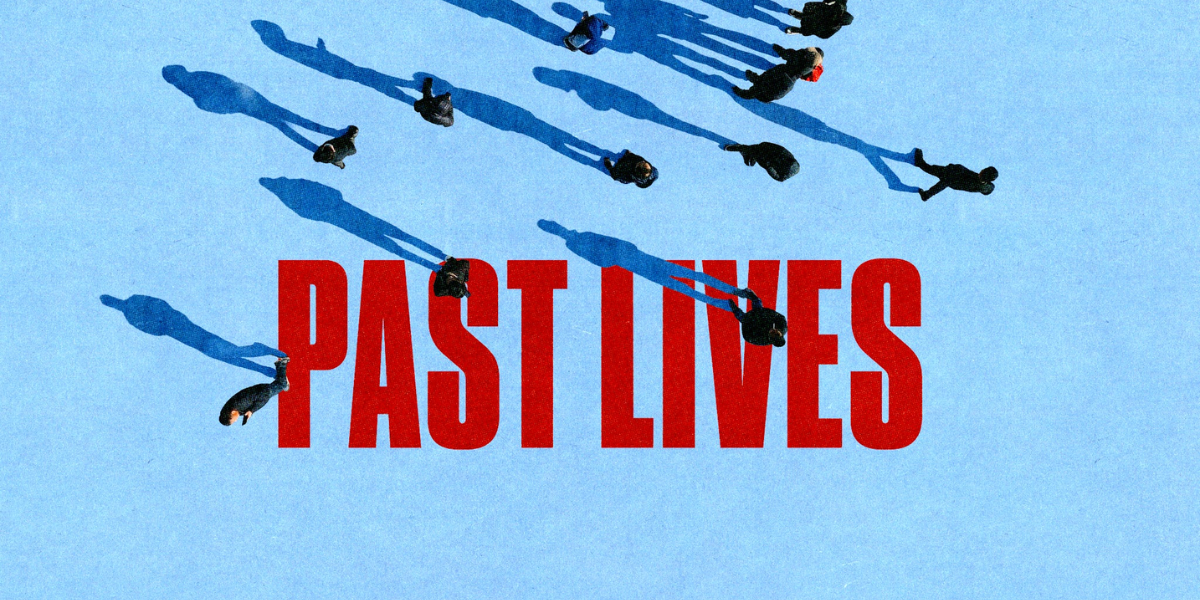
The show starts with something a lot of us can relate to: back pain. The back belongs to a woman named Nanaya, who was kidnapped from her home 2700 years ago and forced to work as a cleaner in the bustling city of Assur. For most of us, her Iron Age world is unimaginably long ago and far away. But the basic facts of her life — wake up too early, sore back, head to a job you hate — are pretty familiar.
That’s something Past Lives, a new independent podcast from historian and journalist Patrick Wyman, really cares about. Unlike narrative histories or “Great Man” biographies, Past Lives wants us to live history by looking through the eyes of ordinary people.
The lives of enslaved people
The show’s first season has one challenging unifying theme: slavery. From ancient Assyria to revolution-era Philadelphia, Wyman introduces us to real human beings who experienced what it was to be enslaved. He shows us what their lives were like, where they came from, and what we can learn from them about the worlds they lived in. He does all this with tremendous humanity; the subjects of his show are real people, and he treats them with thoughtful sensitivity, offering them the dignity they were so often denied in life.
Wyman never reduces people to their suffering. And so the show, despite its subject matter, doesn’t feel heavy or despairing. It’s a show that’s awake to the suffering of the world but wants to understand and explain it. Implicit in this approach is a political idea: that the world can be changed such that we don’t have to constantly crush each other under cycles of suffering and abuse. It’s an empowering political idea that leaves me feeling strangely hopeful and soberly optimistic at the end of each episode.
One or many slaveries?
But is it useful to talk about “slavery” as one thing, when there are so many historic “slaveries?” If an enslaved person in ancient Rome could run factories, or one in medieval Egypt could lead armies, is it useful to bring up their experience when we think about the Atlantic Slave Trade?
It’s a question Wyman grapples with; and though some slaveries differ widely, there’s a logic of violence and hierarchy that unites them all. Any enslaved person lives under a system where their non-humanness is a legal “fact”; any enslaved person lives under the whim of a master; any enslaved person lives under the constant threat of shocking violence.
And so Wyman focuses on the ways these slaveries interconnect and grow out of one another. Roman traditions of slavery branch and grow into medieval European and Islamic ones; the same Italian trade networks that ran the medieval Mediterranean slave trade struck out for the Atlantic just a few decades later. American slaveowners consciously looked back to their ancient Greek counterparts and borrowed their ideas. The institution of slavery is durable, and it changes to fit the times. Watching it shift from episode to episode makes you ask an uncomfortable question: how has it changed to fit our times?
Questions for the present
Something I’m struck by is how modern many of these stories feel. The story of Maddalena, a kidnapped girl from the Black Sea enslaved and sexually exploited by Europe’s richest man, is only a few details away from something out of the Epstein files. The story of Joe, an agricultural worker rented out to build municipal roads in 1760s Philadelphia, feels like it could take place in Southwestern Ontario today. The industrial bakeries of ancient Rome are only separated from the maquilas and race-to-the-bottom sweatshops of our lifetime by a few degrees.
We tend to think of slavery as something long ago and far away. But the cobalt mines of Congo are only as far as the nearest smartphone, and unfree labour is only as far as the nearest penitentiary. If we thought about modern oppressions as heirs to the institution of slavery, how would it change what we tolerate? How would it make us rethink global markets or the way we use citizenship to put people outside the protection of the law?
The men who kidnapped Nanaya into slavery weren’t the bad guys from Taken. They were a group of ten ordinary Assyrian citizens: part-time soldiers looking to make a bit of extra cash, to get ahead, and to make a better future for their families. They made themselves perpetrators for the same reasons a lot of us do. There’s a lesson in that — and a lesson in what happened to them too: only a few decades after they destroyed Nanaya’s home city and dragged her off, the same thing would happen to their home and their own children and grandchildren.
The lesson should be plain: the terrible logic of slavery can apply to anyone. Nobody’s truly free — and nobody’s truly safe — until everyone is.
Past Lives is available on all major podcasting platforms. New episodes release each Wednesday.
Author
Did you like this article? Help us produce more like it by donating $1, $2, or $5. Donate